Natural vs Lab-Grown Gemstones: What's the Difference (and Does It Matter)?
The short answer
A natural gemstone formed in the earth over a very long time. A lab-grown gemstone is made in a laboratory, and for many stones it has the same chemical makeup as its natural counterpart. Neither is "fake" in the way a glass imitation is. The real question is whether the seller tells you clearly which one you're getting.
That's the first thing our customers ask us: are the gemstones real? So here's a plain-English guide, plus exactly what we tell you about ours.
Key takeaways
- Natural gemstones are mined from the earth. Lab-grown (also called laboratory-created or synthetic) gemstones are made by people in controlled conditions.
- For diamonds, the Gemological Institute of America (GIA) says lab-grown stones have essentially the same chemical, physical and optical properties as natural ones, so you usually can't tell them apart by eye.
- An imitation (a "simulant") is different again. Cubic zirconia, for example, imitates diamond but is a different material.
- In Australia, jewellers are expected to disclose when a gemstone is not natural. The ACCC has said descriptions must be truthful and provide adequate disclosure.
- SERAPHI's gemstone charms are a mix of natural and lab-created stones, and mostly natural.
What is a natural gemstone?
A natural gemstone is a mineral (or, in the case of pearls, an organic gem) that formed without human involvement and was then mined or harvested, cut and polished. Amethyst, citrine, rose quartz, peridot and turquoise are all well-known examples.
Natural stones are one of a kind. Colour, tiny inclusions and patterns vary from stone to stone, which is part of the charm. Turquoise and sunstone jasper, for instance, often show their own markings and veining.
What is a lab-grown gemstone?
A lab-grown gemstone is made in a laboratory using technology that recreates the conditions a stone needs to grow. GIA explains that lab-grown diamonds are grown using methods such as HPHT and CVD, and the same idea applies to other lab-grown gems like sapphire and ruby.
Because they're made in controlled conditions, lab-grown stones tend to be consistent in colour and are usually more affordable than natural stones of similar appearance. That can make colourful gemstone jewellery easier to enjoy every day.
Natural vs lab-grown gemstones at a glance
|
|
Natural gemstone |
Lab-grown gemstone |
Imitation (simulant) |
|---|---|---|---|
|
Where it comes from |
Formed in the earth, then mined |
Made in a laboratory |
Made to look like another stone |
|
Chemical makeup |
Its own mineral |
Essentially the same as the natural stone it matches |
A different material |
|
Looks |
Varies stone to stone |
Often very consistent |
Can look similar, but isn't the same stone |
|
Price |
Usually higher |
Usually more accessible |
Usually the lowest |
|
What you should be told |
"Natural" |
"Laboratory-grown", "laboratory-created" or "synthetic" |
"Imitation" |
The definitions above follow the way the Australian jewellery industry separates the three groups: synthetic stones share the same composition and structure as their natural counterparts, while imitations such as cubic zirconia use a different material.
Can you tell the difference by looking?
Usually not. Gemologists need specialised equipment to separate natural from lab-grown stones. GIA tests every diamond submitted to its labs to work out which is which, and notes that old-style "diamond detectors" can't tell them apart.
That's why honest labelling matters more than anything you could spot at home. Be wary of DIY tests you read about online, because some can damage your stone.
What should a seller tell you?
When you shop for gemstone jewellery in Australia, look for clear wording on the product page. The ACCC's jewellery guidance covers how terms like "cultured", "imitation", "synthetic" and "created" should be used for natural, laboratory-made and artificial gemstones.
Industry guidance also says words like "real", "genuine" and "natural" apply exclusively to natural minerals and gemstones, while lab-grown stones should be described as laboratory-grown, laboratory-created or synthetic.
So a good seller will:
- Say plainly whether each stone is natural or lab-created.
- Name the stone and the metal.
- Tell you about any treatments or enhancements.
- Be easy to ask. If the answer isn't on the page, email them.
So, are SERAPHI's gemstones real?
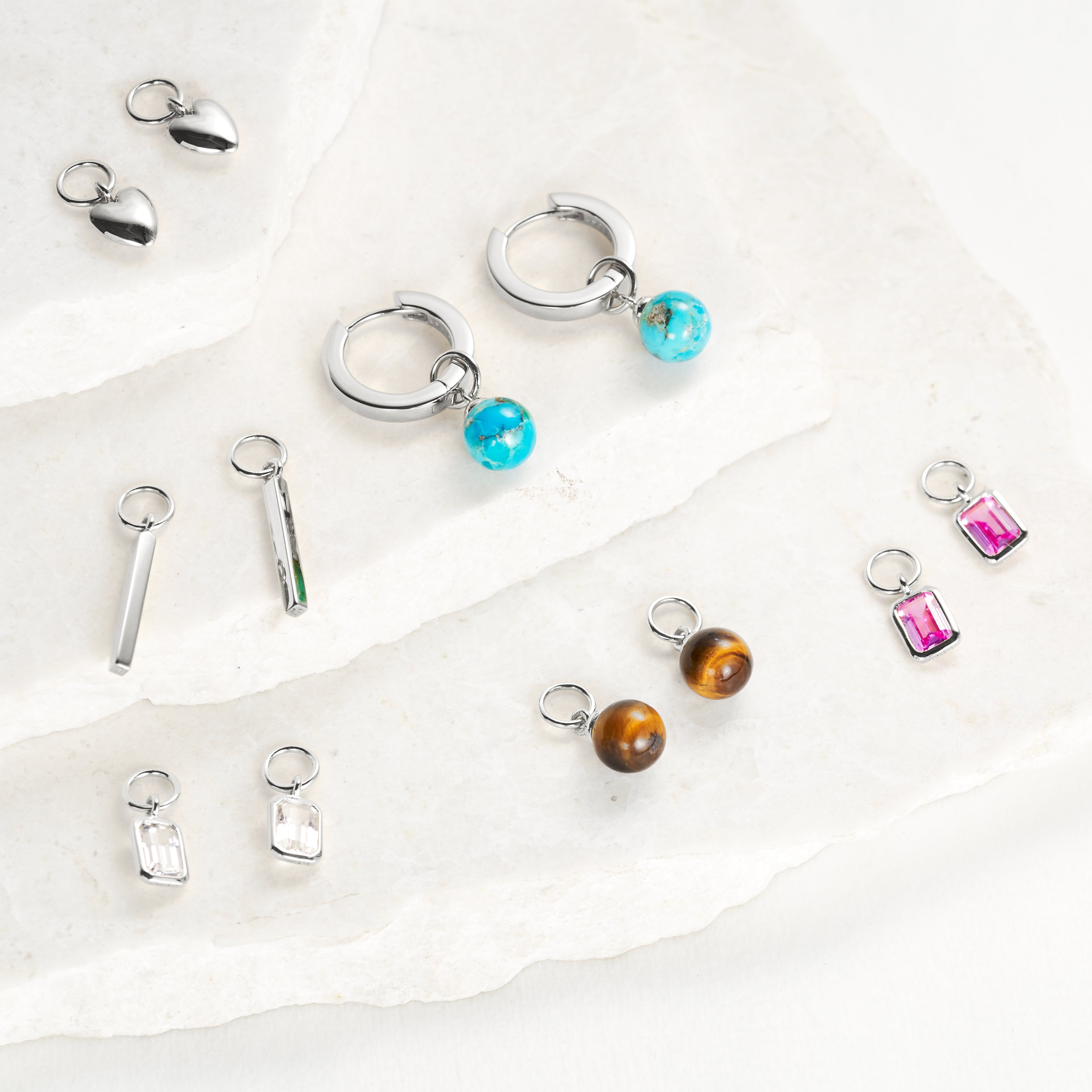
We like to be upfront. Our gemstone charms are a mix of natural and lab-created stones, and most are natural. Here's how that looks across our range:
|
Charm |
Stone type |
|---|---|
|
Rose quartz |
NATURAL |
|
Sunstone jasper |
NATURAL |
|
Turquoise |
LAB CREATED |
|
Tiger's eye |
NATURAL |
|
Green onyx |
NATURAL |
|
Amethyst |
NATURAL |
|
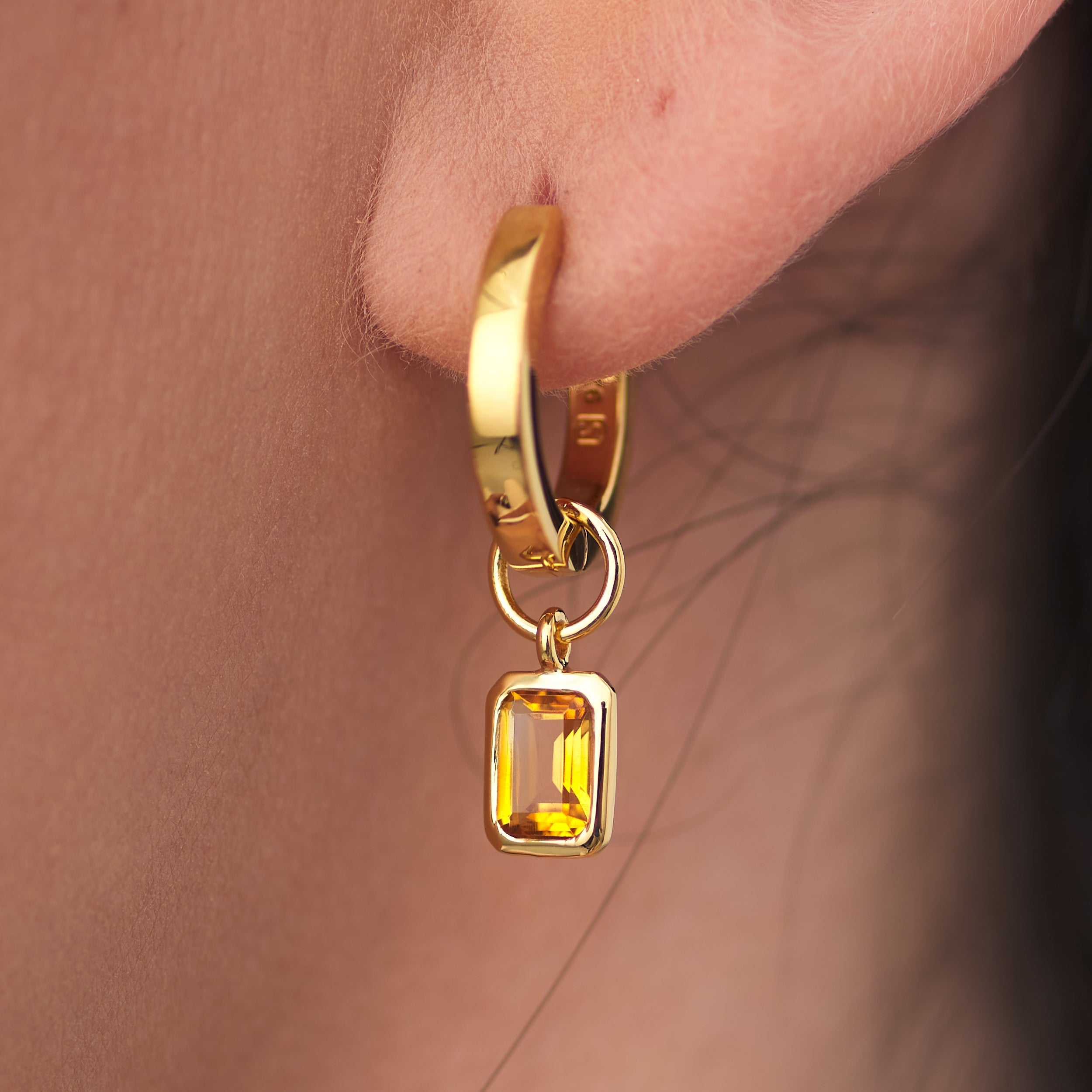
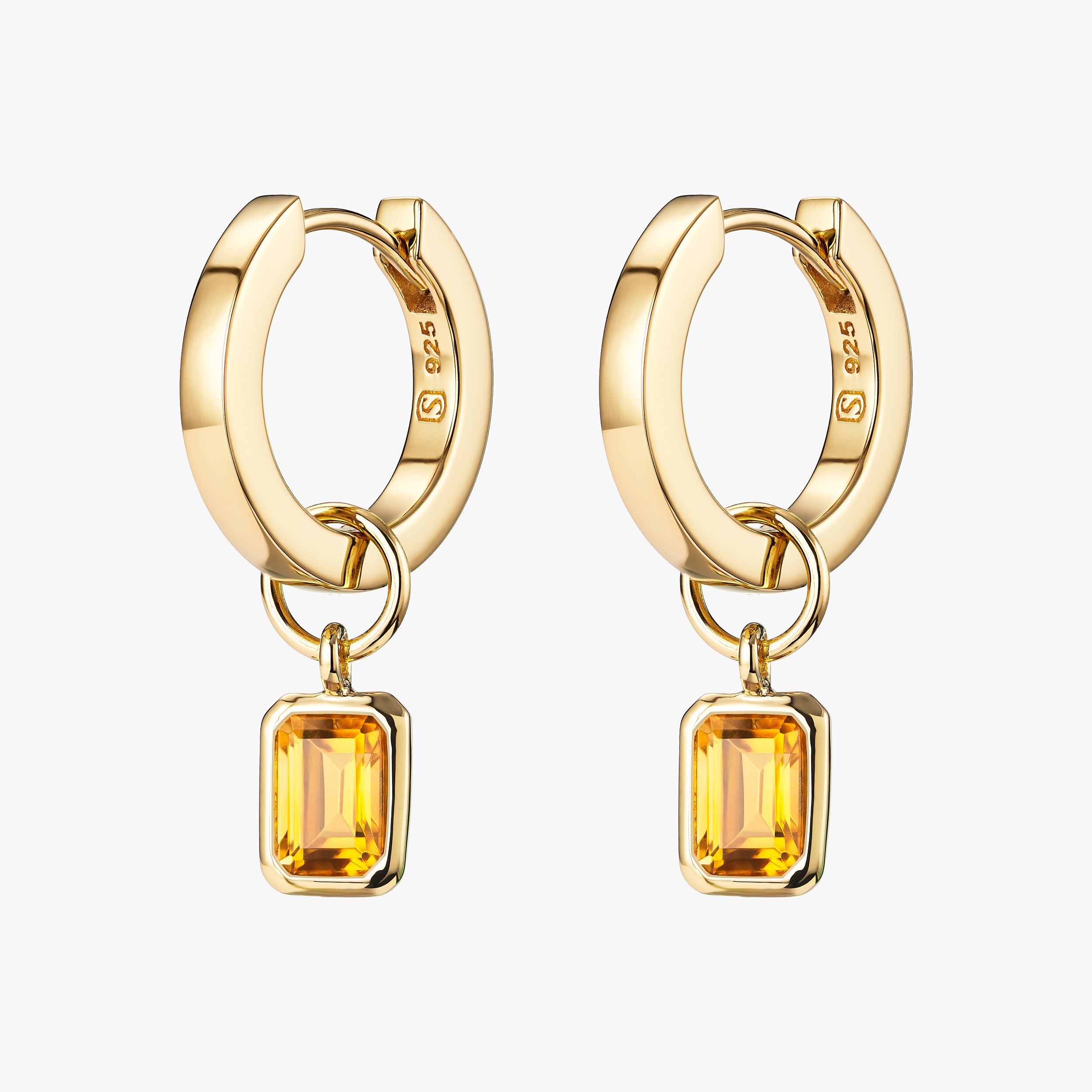
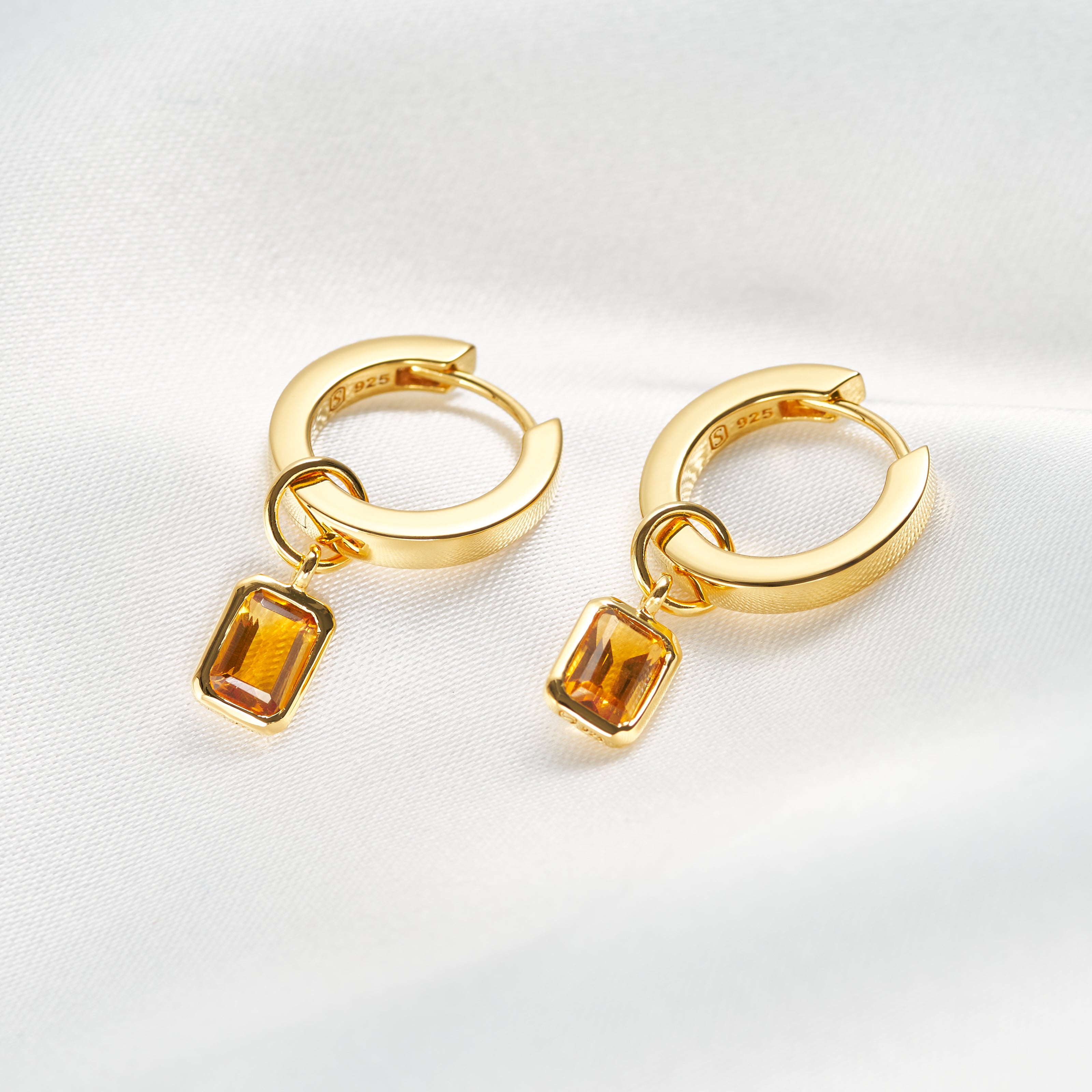
Citrine |
NATURAL |
|
Peridot |
NATURAL |
|
Garnet |
NATURAL |
|
White topaz |
NATURAL |
|
Blue topaz |
NATURAL |
|
Pink ruby |
LAB CREATED |
|
Freshwater pearl |
NATURAL |
If you ever want to know about a particular stone before you order, get in touch and we'll tell you.
What about the metal?
Gemstones are only half the story. Our hoops and charm settings are 18k gold vermeil (2.5 microns of 18k gold over sterling silver) or 92.5% sterling silver, and they're hypoallergenic with an electrophoretic e-coating. Gold vermeil and sterling silver are both lovely for everyday wear, though like all sterling silver, they can tarnish over time, so take your earrings off before swimming, bathing or showering and store them in a dry place. Our Voyager Jewellery Travel Case is handy for that.

Why we love gemstone charms on interchangeable hoops
Our Signature Bold Huggie Hoops are designed so you can swap charms whenever you like. That means you can mix a natural stone one day and a pearl the next, without buying a whole new pair of earrings.
A few favourite ways to start:
- Colour you can wear every day: the Turquoise Huggie Hoop Earring Set pairs 15mm Signature Bold Huggie Hoops with a blue-green Haven Round charm.
- Warm and sunny: the Sunstone Jasper Huggie Set in 18k Gold Vermeil is an easy neutral with a little glow.
- A pop of pink: the Pink Ruby Huggie Set in 18k Gold Vermeil adds a soft, romantic colour.
- Classic and timeless: the Pearl Huggie Set in 18k Gold Vermeil suits weddings, bridesmaids and everyday.
- Already own hoops? Add a Heart Charm as a pair or a single.
Want to browse everything? Shop all gemstone and pearl hoop charms or our bundle sets, which include hoops plus a pair of charms so they're ready to wear.
New to the idea? Read our guide to how interchangeable earrings work, or our tips on interchangeable earrings as a gift.
Which should you choose?
Choose natural if you love the idea of a stone formed by the earth, with its own markings and character.
Choose lab-grown if you want consistent colour and a friendlier price, and you're happy knowing exactly what it is.
Choose either as long as the seller is honest about which is which. For everyday earrings, many people enjoy a mix, which is exactly how our charm range works.