Real Materials: How to Tell Quality Earrings from Fake, and What's Safe for Sensitive Ears
When shopping for quality earrings, brands should name their metal, tell you how much gold is on top, and are honest about their stones. This guide covers which materials are kinder to sensitive ears, what "gold vermeil" legally means, and what to ask before you buy.
What is the healthiest earring material?
The healthiest earring material is one that doesn't contain nickel or is unlikely to react with your skin. Mayo Clinic lists nickel-free or surgical-grade stainless steel, titanium, 18-, 22- or 24-karat yellow gold, nickel-free white gold and sterling silver as options less likely to cause a reaction.
Nickel is the common culprit. Mayo Clinic says nickel allergy is most often linked to earrings and other piercing jewellery containing nickel, and a reaction usually shows up within a couple of days of contact. DermNet NZ adds that the earlobes are one of the most common sites, and that nine-karat gold and white gold contain nickel, while solid gold of 12 carat or more and silver jewellery should be safe.
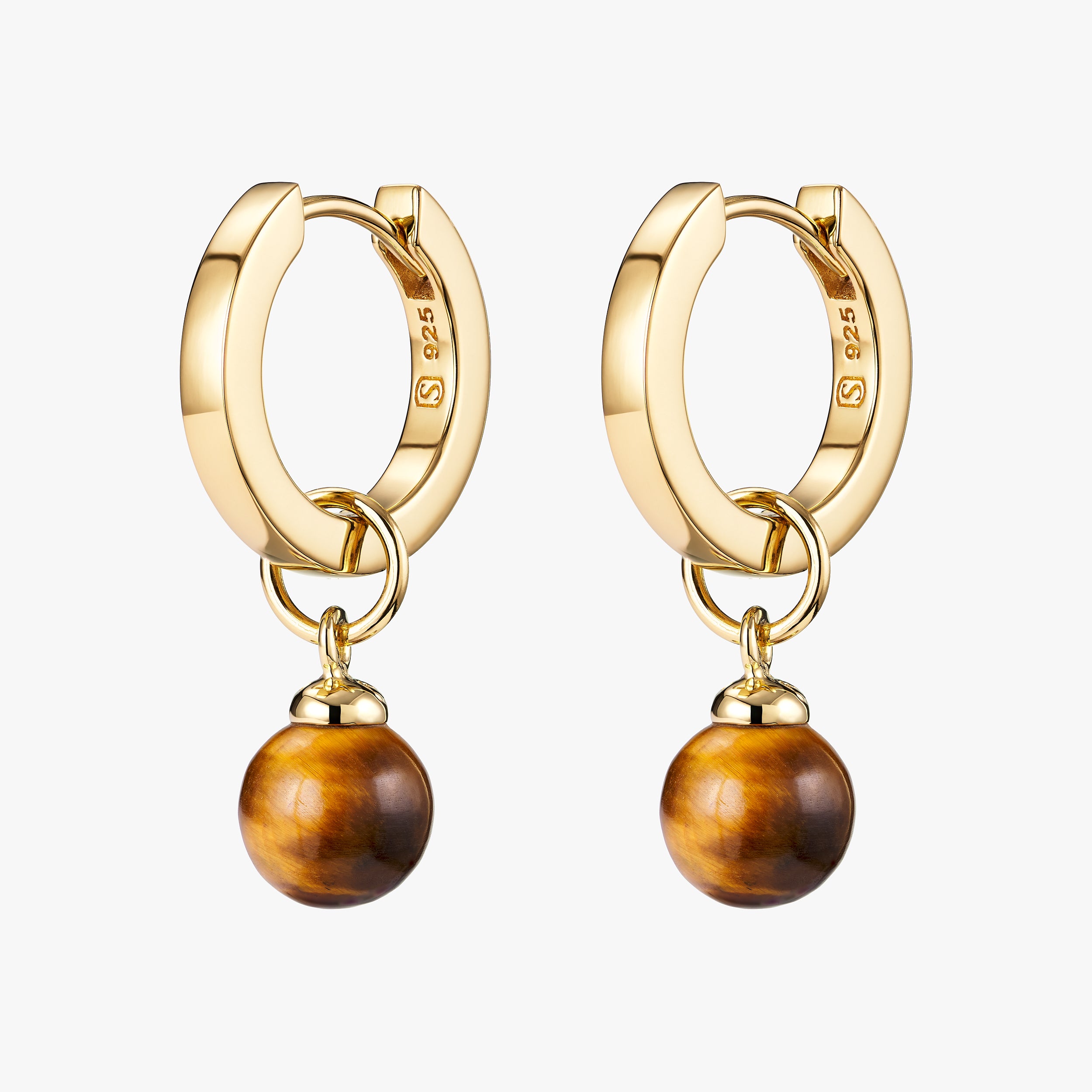
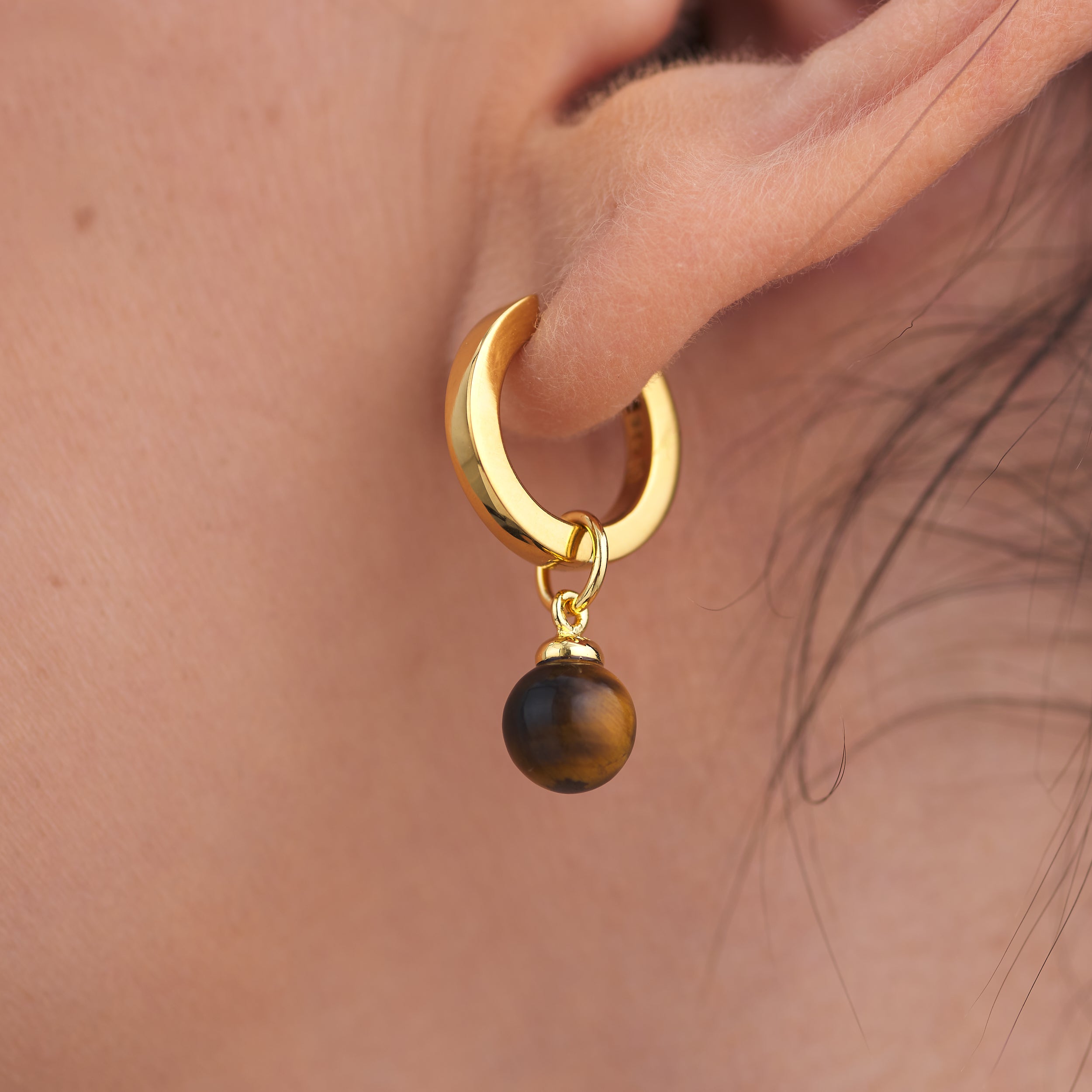
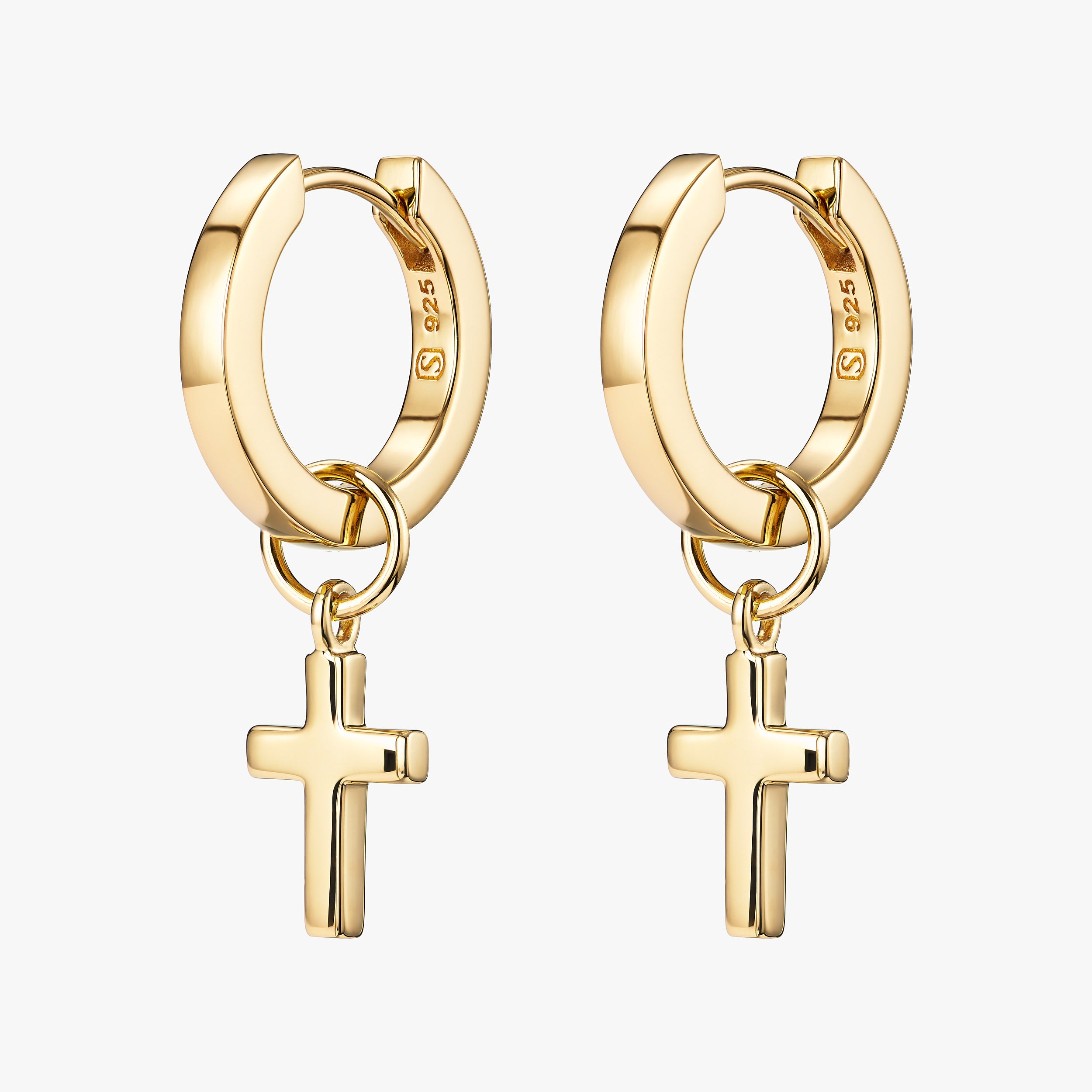
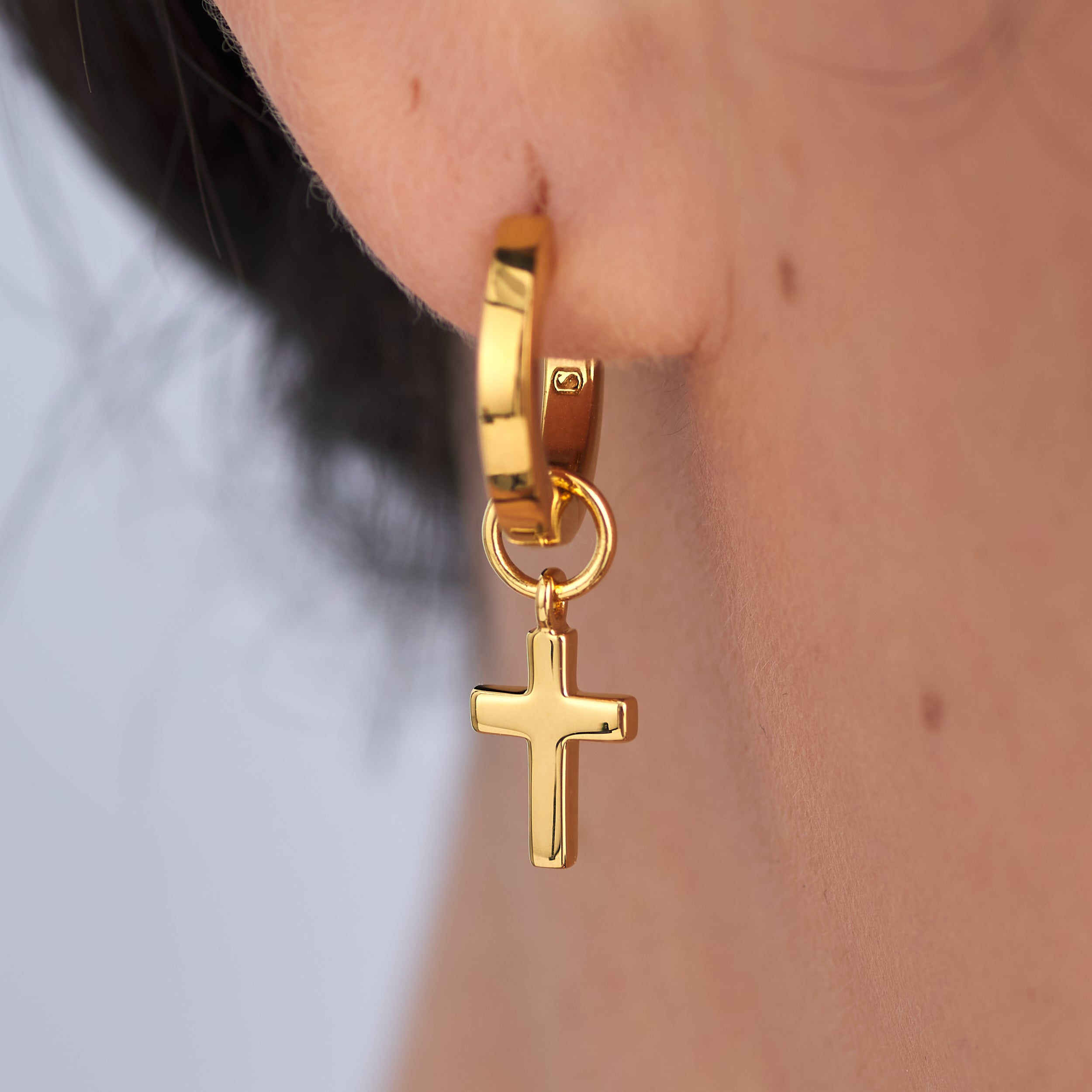
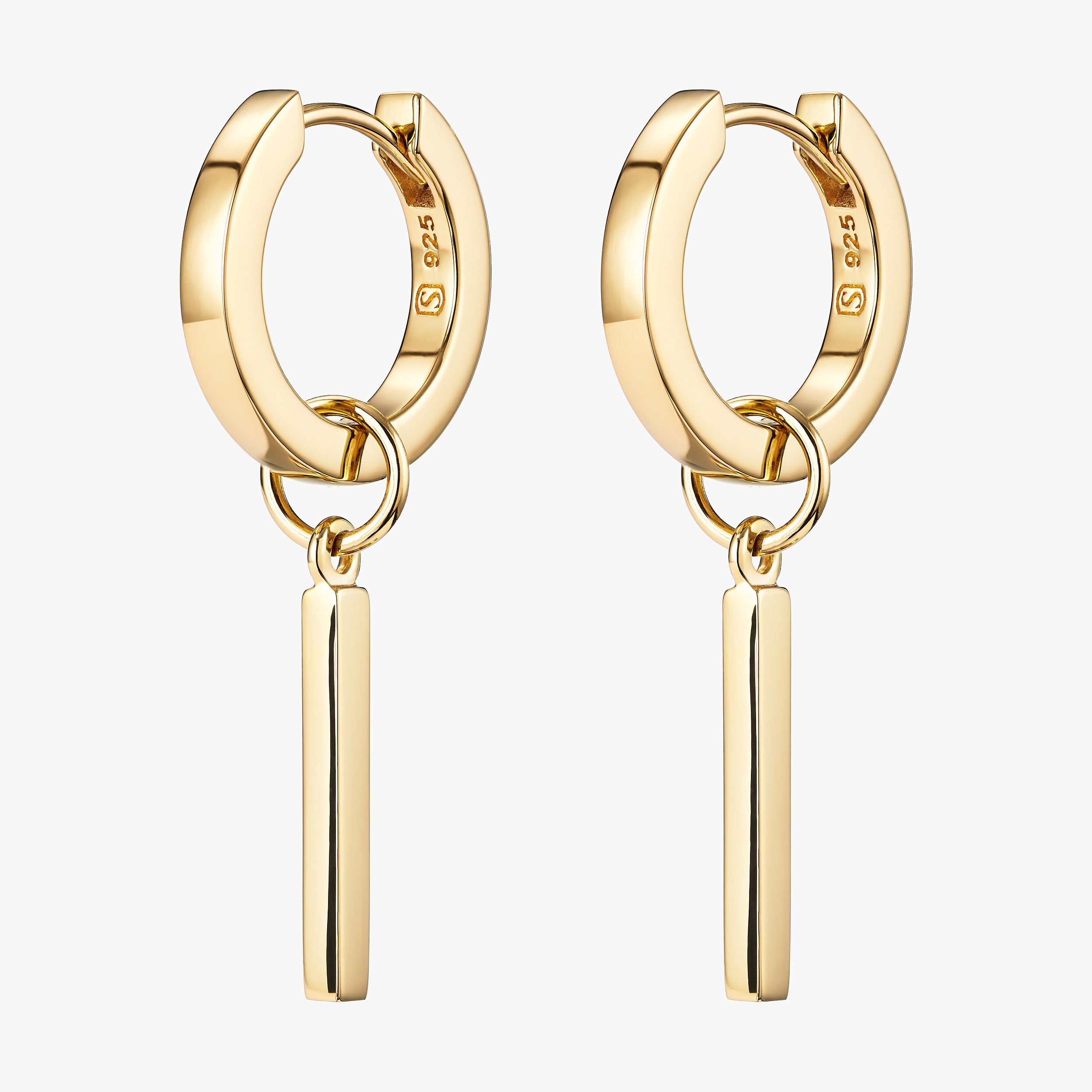
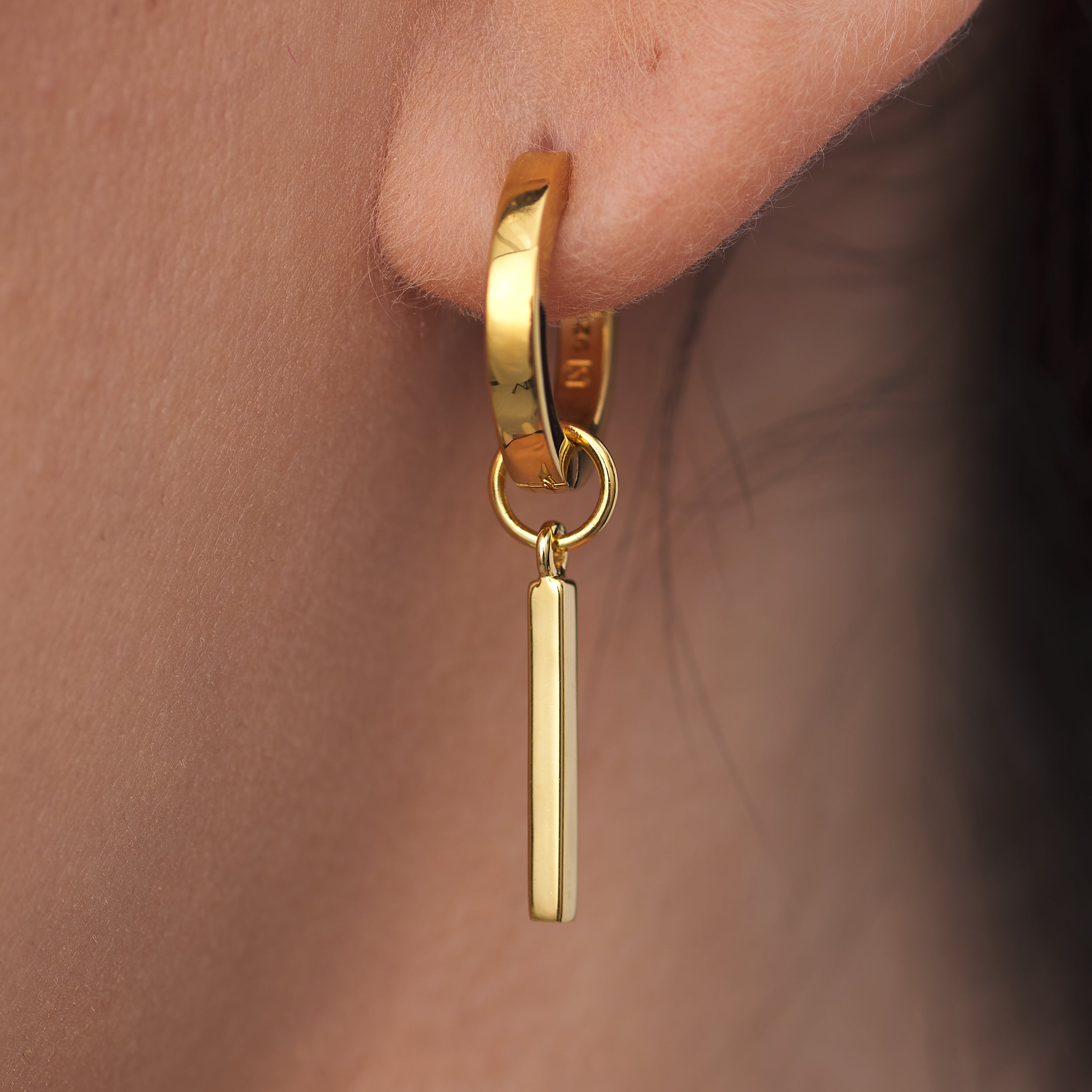
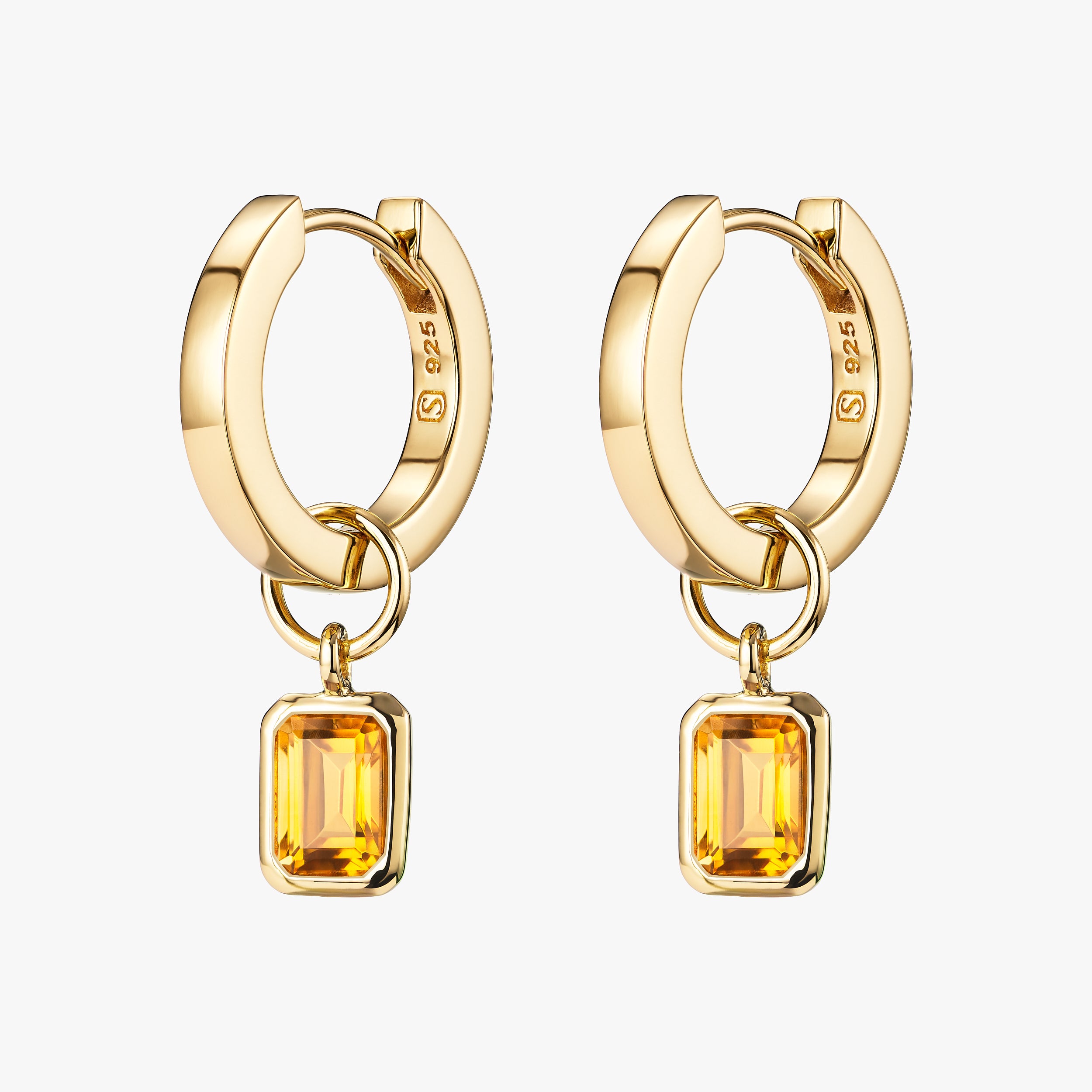
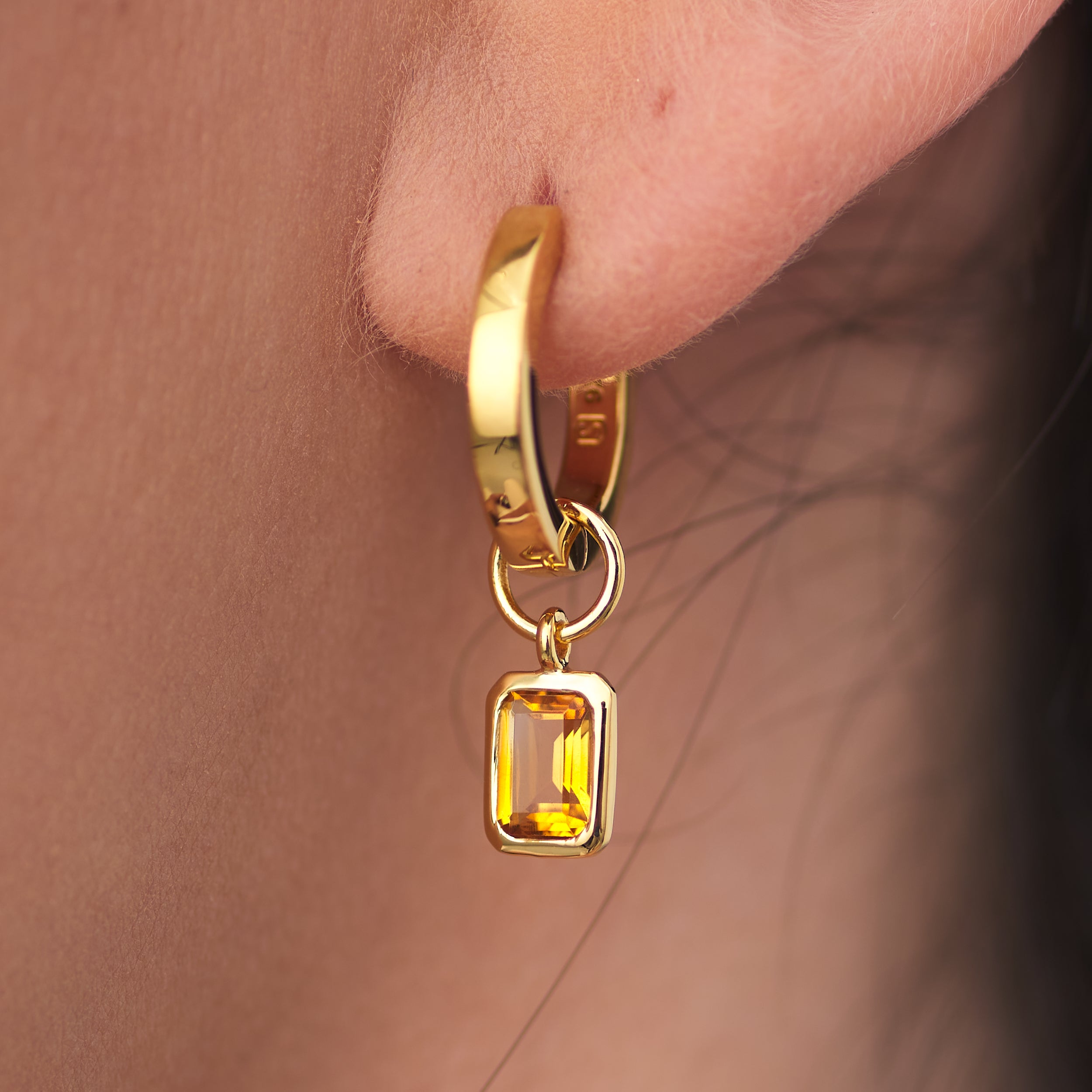
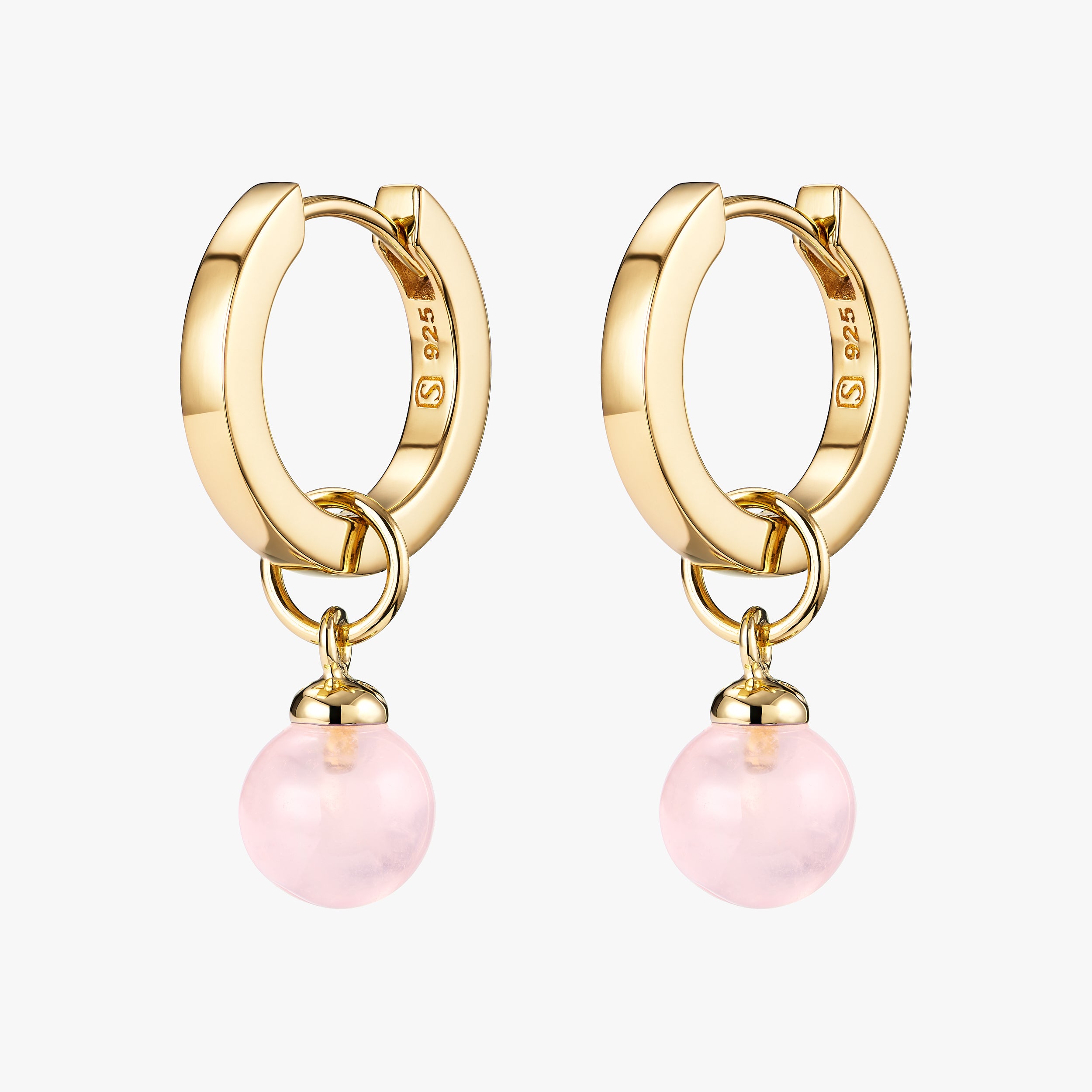
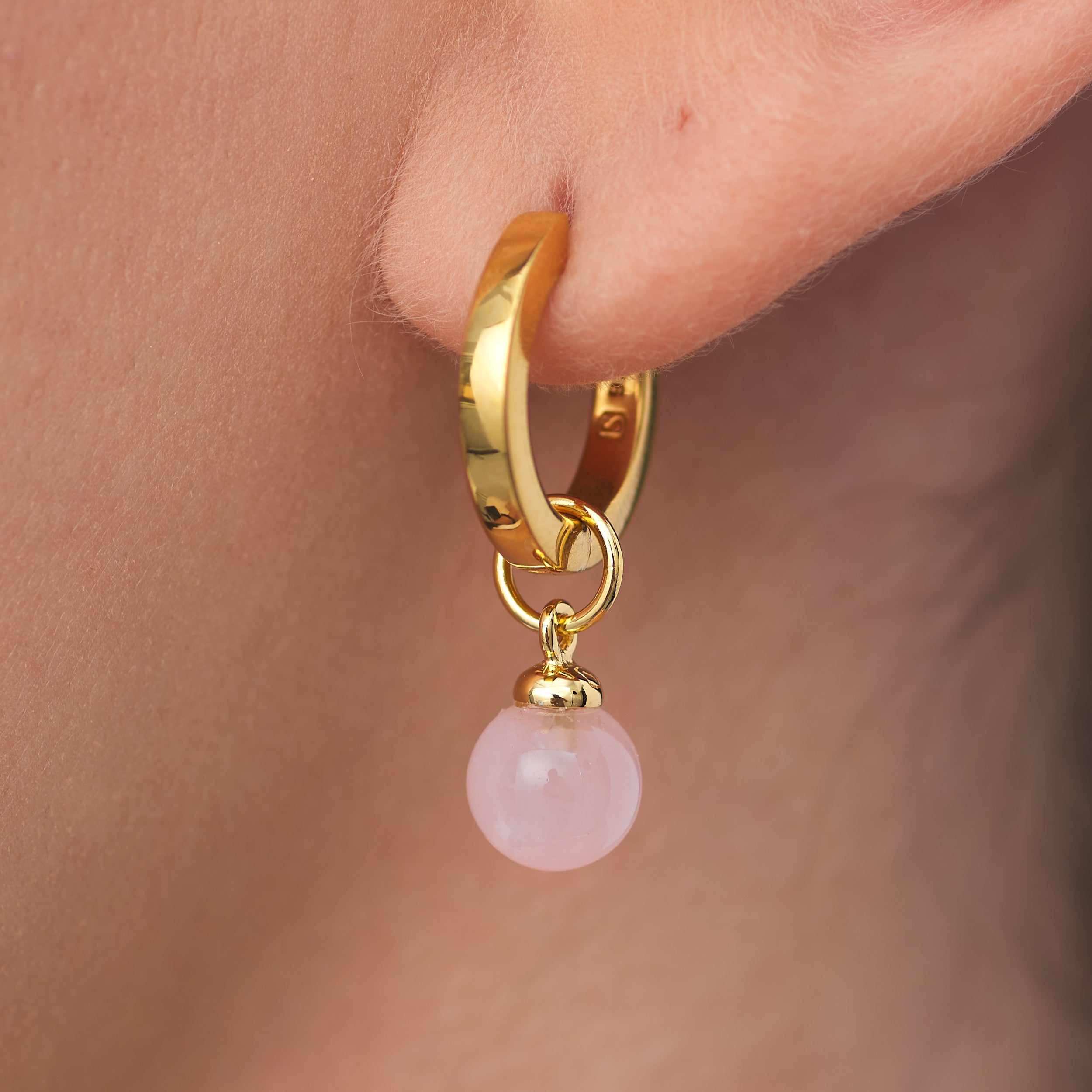
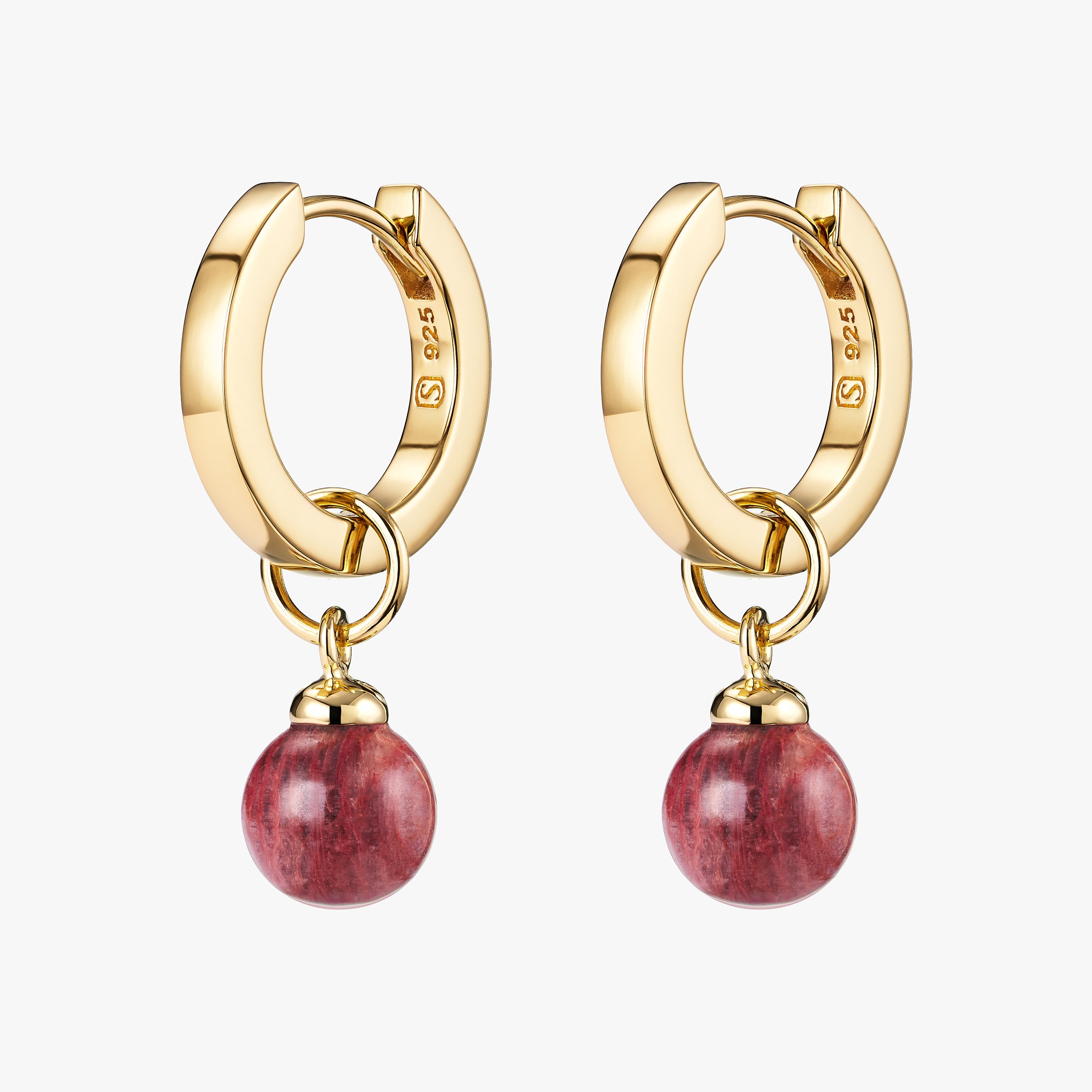
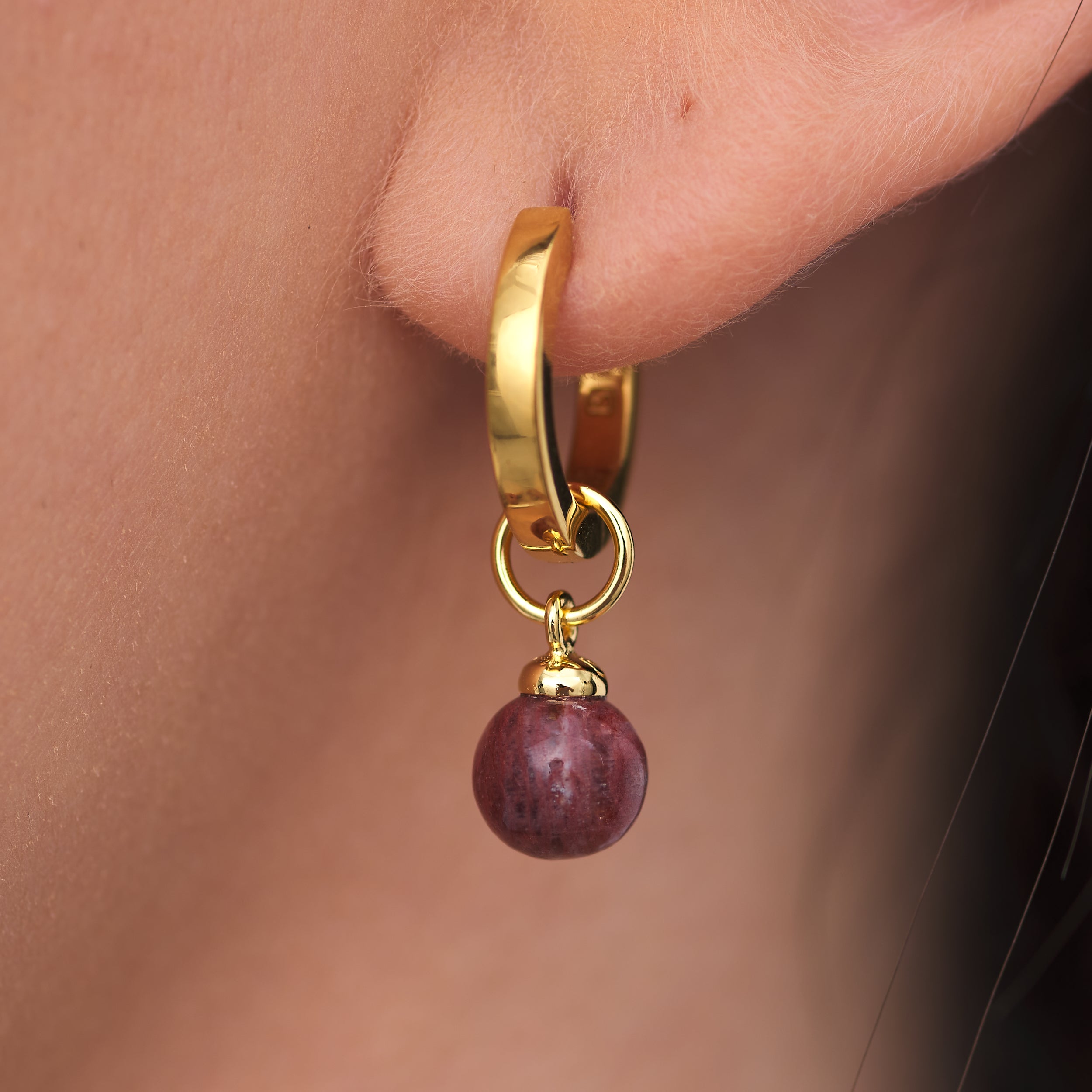
Our earrings are 18k gold vermeil or 92.5% sterling silver, and both materials appear on Mayo Clinic's list above. We also finish our pieces with an electrophoretic coating (e-coating), and we describe them as hypoallergenic.
What earrings are safe to wear every day?
Choose earrings where the seller names the metal, and avoid ones that only say "hypoallergenic" with no detail. For daily wear, look for the options on Mayo Clinic's list and select earrings which contain 12 karat gold or more or a 92.5% sterling silver option, per DermNet NZ.
Why do my ears hurt after wearing fake earrings?
Itchy, red or sore earlobes after wearing costume-style earrings are commonly a nickel reaction. See a doctor if it isn't improving with over-the-counter treatment, or if you notice swelling, warmth, pus or pain, which Mayo Clinic lists as signs of possible infection.
Switch to a named, nickel-free metal and let the area settle. DermNet NZ explains that once a nickel allergy develops it often lasts for many years, so it's worth knowing which metals suit you.
Our customers love how comfortable our earrings are for everyday wear, along with the quality that lasts. Please see one of our recent reviews below from a customer who purchased our Green Onyx Gemstone Huggie Hoop Earrings.

How can you tell if an earring is real or fake?
In the US, the FTC’s Jewellery Guides provide a specific definition for “vermeil”: sterling silver coated with gold of at least 10 carat purity and a minimum thickness of 2.5 microns. US FTC Jewellery Guides – Vermeil requirements This is a US definition rather than an Australian legal requirement, but it is a widely recognised benchmark for vermeil.
In Australia, there isn't an equivalent rule that specifically defines vermeil by a minimum gold purity or plating thickness. However, the Australian Consumer Law – ACCC guidance on false or misleading claims requires businesses to ensure that claims about a product's quality, composition and characteristics are accurate, truthful and not misleading. Businesses should also have reasonable grounds for claims they make about their products.
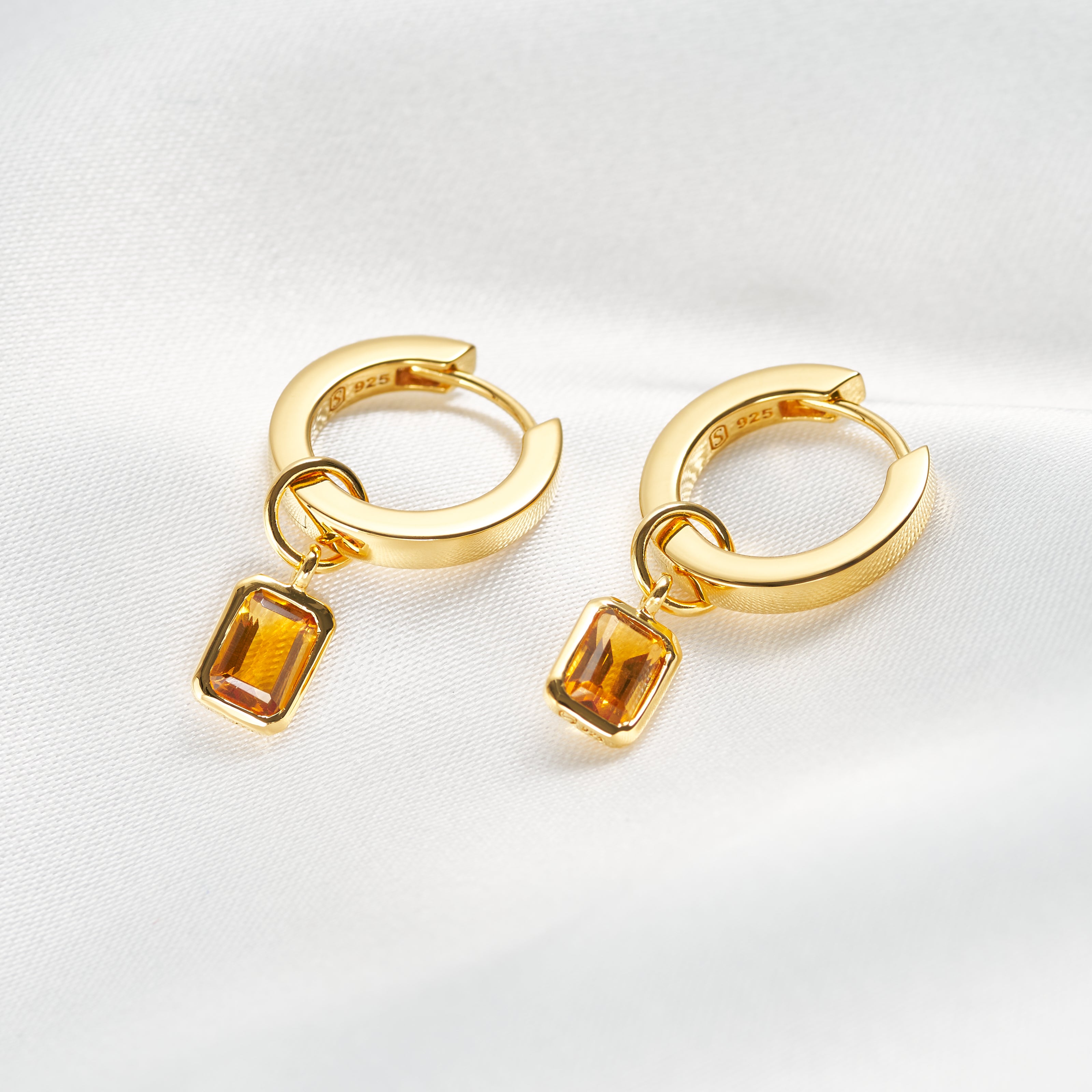
At SERAPHI, our gold vermeil is made with 18k gold plated at 2.5 microns over 925 sterling silver. This meets the US FTC's benchmark for vermeil and means you are getting a substantial layer of genuine 18k gold over sterling silver.
Please see the table below for a simple comparison of some of the most common jewellery metals, what they are made from, and what to look for when choosing jewellery, particularly if you have sensitive skin or ears.
| Metal | What it is | Worth knowing | Ask the seller |
|---|---|---|---|
| Sterling silver | 92.5% silver, with other metals making up the rest | Mayo Clinic lists it among options less likely to cause reactions; it can tarnish over time | “Is it stamped 925?” |
| Gold vermeil | A gold layer over sterling silver, not gold all the way through | The FTC sets the vermeil minimum at 10 carat gold and 2.5 microns; the layer wears gradually with use | “What carat, and how many microns?” |
| Gold plated | A thin gold layer over any base metal | The base metal is what touches your skin once the gold wears through | “What is under the gold?” |
| Carat gold | Gold alloyed with other metals all the way through | DermNet NZ notes nine-carat and white gold contain nickel; Mayo Clinic lists 18-carat and above yellow gold | “What carat, and is it nickel-free?” |
| Stainless steel | An iron-based alloy | Mayo Clinic lists nickel-free and surgical-grade types | “Which grade?” |
Is gold vermeil real gold?
Yes, gold vermeil is a real layer of gold bonded over sterling silver, but it is not gold all the way through. Under the FTC guide, the gold has to be at least 10 karat and at least 2.5 microns thick, over a sterling silver base.

What are faux earrings, and do fake earrings look real?
Faux earrings are made to look like pricier materials, such as gold or gemstones, without containing them. Many look convincing in photos, and the difference tends to show in how they wear and how your skin feels.
Under the Australian Consumer Law, businesses must ensure claims about their products are accurate and not misleading. The ACCC's jewellery industry guidance sets out its views on clearly disclosing whether gemstones are natural, laboratory-made or imitation, and on how terms like "synthetic" and "created" are used. The ACCC has also said that businesses should not state or imply that an artificial or imitation stone is natural.
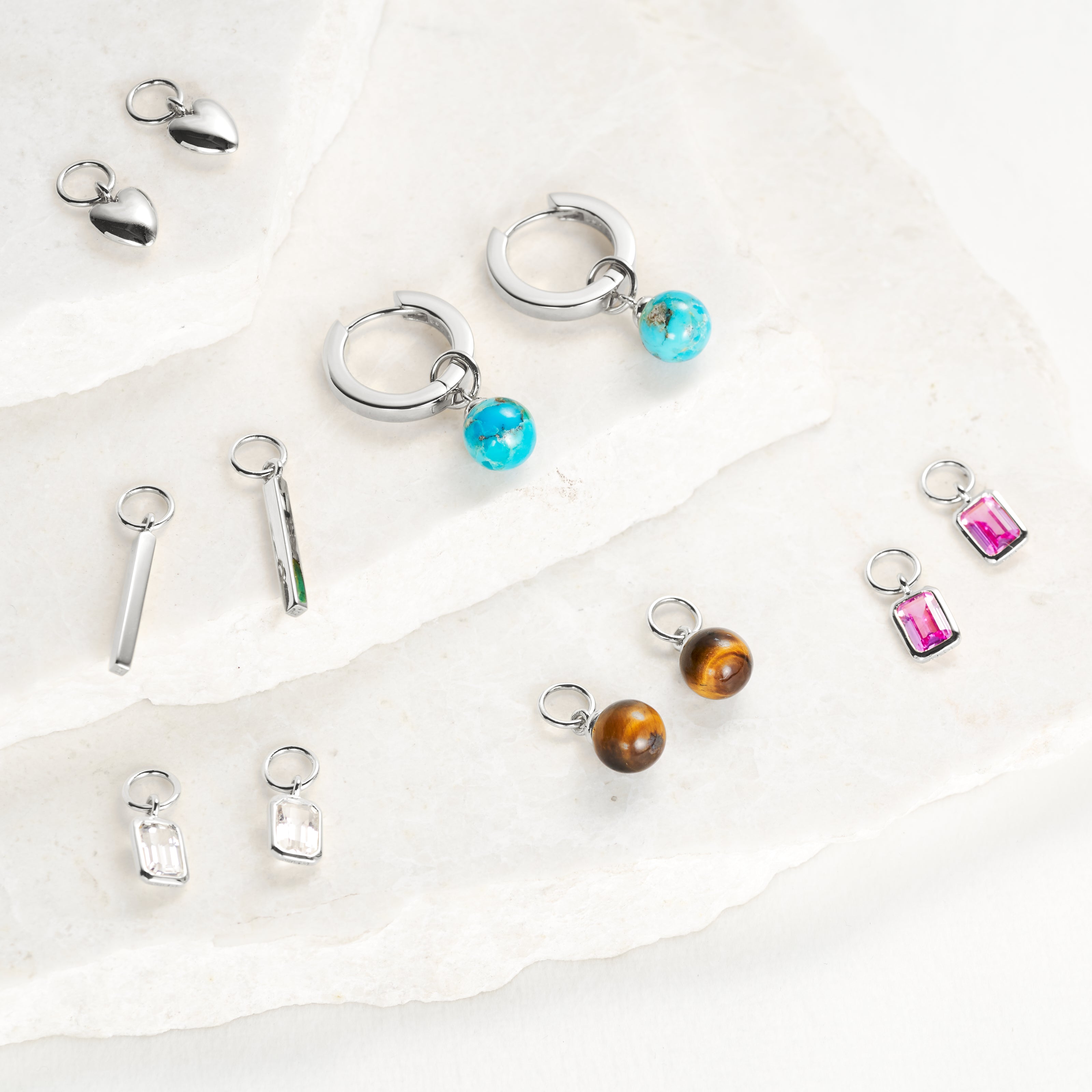
At SERAPHI, our gemstones are a combination of natural and lab-grown stones. The majority of our gemstones are natural, but we don't describe every stone as natural because some are laboratory-grown.
We use lab-grown alternatives for some gemstones, such as our Pink Ruby Gemstone, to help keep our jewellery more affordable without compromising on the properties of the gemstone. Lab-grown gemstones are created in controlled laboratory conditions and can have essentially the same chemical composition, crystal structure and physical and optical properties as their natural counterparts.
We believe it's important to be transparent about what you're purchasing. That's why we clearly identify our gemstones as natural or lab-grown, so you can make an informed decision when choosing your jewellery.

Are inexpensive earrings safe to wear?
Price alone doesn't tell you whether earrings are safe. What touches your skin matters, and DermNet NZ points out that even nine-carat gold contains nickel. An inexpensive pair with a named, nickel-free metal can be a better choice than a pricier one with an unnamed alloy. Ask what it's made of before you buy.
Curious how the charms themselves work? See our last blog post on Swappable Charms: What Are Interchangeable Earrings and How Do They Work?